
The world is racing to build new energy.
New power plants.
New infrastructure.
New capacity.
Yet every day, industry wastes enormous amounts of energy that has already been produced and paid for — with the associated emissions already released in the process.
Up to 50 percent of all industrial energy is lost as waste heat.
And around one third of that heat is technically recoverable.
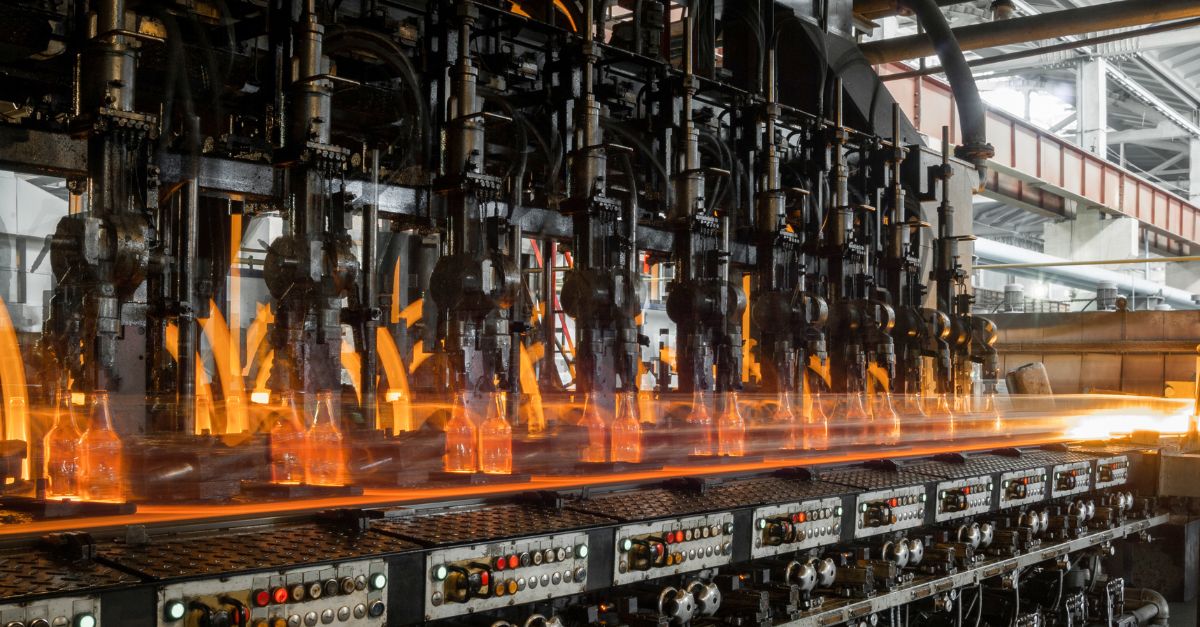
Much of it comes from ovens, dryers, and other thermal processes
that release hot — but contaminated — air.
Air filled with grease, soot, and particles.
Traditional heat recovery technologies cannot operate
in contaminated industrial exhaust air.
So the heat — and all the energy it contains —
is simply vented away.
New technologies make it possible to recover energy even from contaminated industrial exhaust air.
If all recoverable waste heat were captured and reused,
it would equal around 3,500 terawatt-hours of energy every year.
That exceeds the annual energy production from solar, wind, or hydropower individually, and is equivalent to the energy generated by all nuclear power worldwide.
Advantages of Waste heat Power
-
Lower Energy Costs
You reuse energy you have already paid for — reducing overall energy expenses immediately.
-
Fossil-Free by Definition
Recovered energy replaces newly produced energy, cutting Scope 1 emissions without new fuel input.
-
On-Site Energy Production
Energy is recovered where it is generated and reused where it is needed — no new grid infrastructure required.
-
Improved Energy Efficiency
Turn unavoidable process heat losses into a valuable energy asset instead of venting it to atmosphere.
-
Fast ROI
Since the energy already exists in your process, recovery systems typically deliver strong and predictable payback.
-
Competitive Advantage
Lower energy intensity improves margins, strengthens sustainability reporting, and future-proofs operations against rising energy prices.
We solved the unsolvable: Turning all waste heat into Waste heat power would save 3.500 TWH of energy every year.
